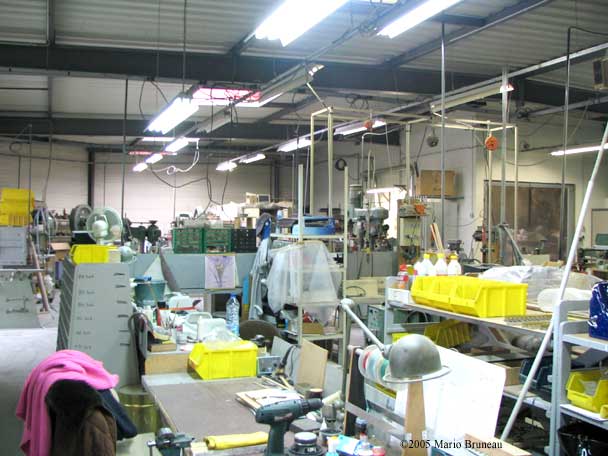
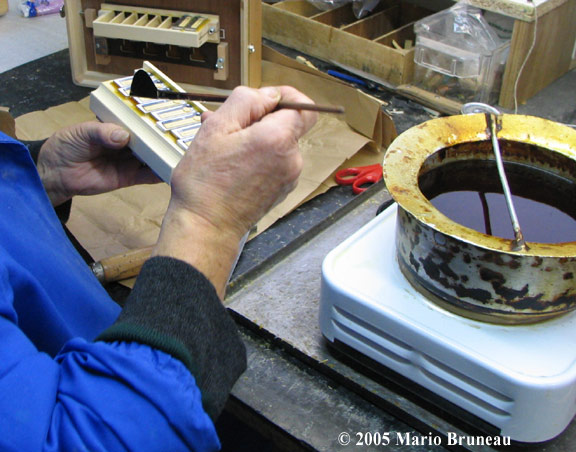
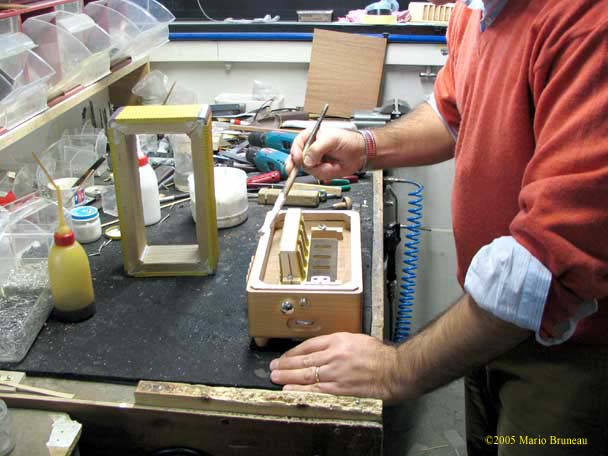
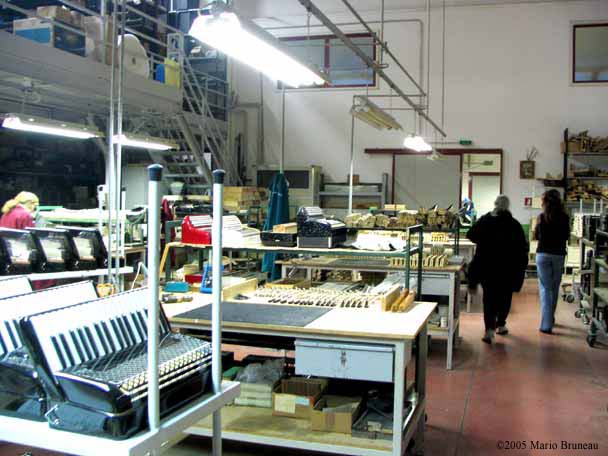
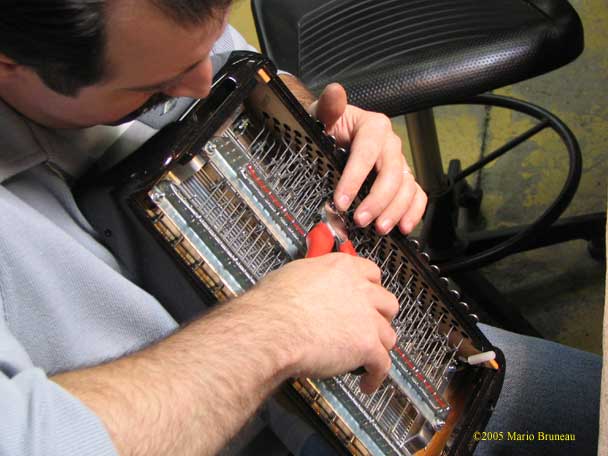
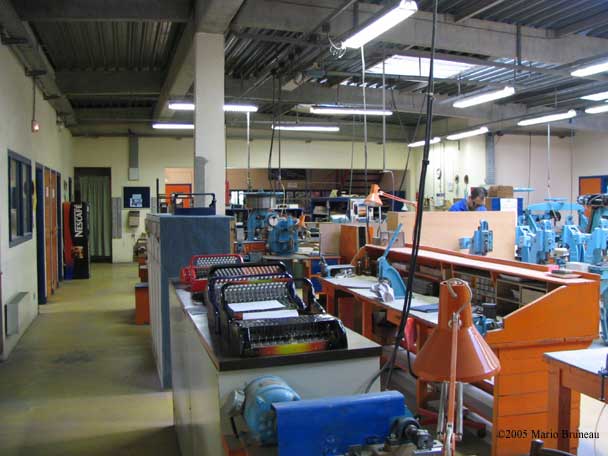
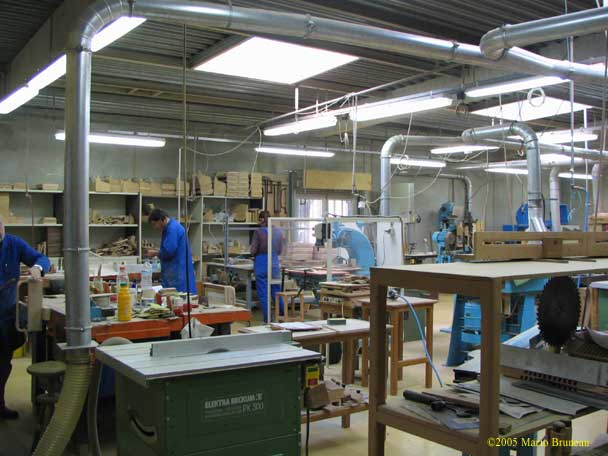
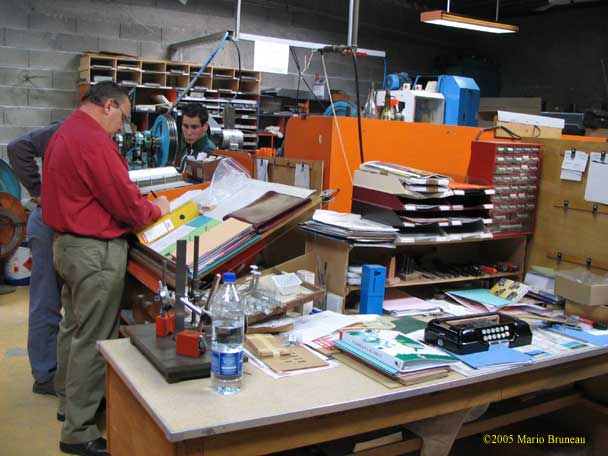
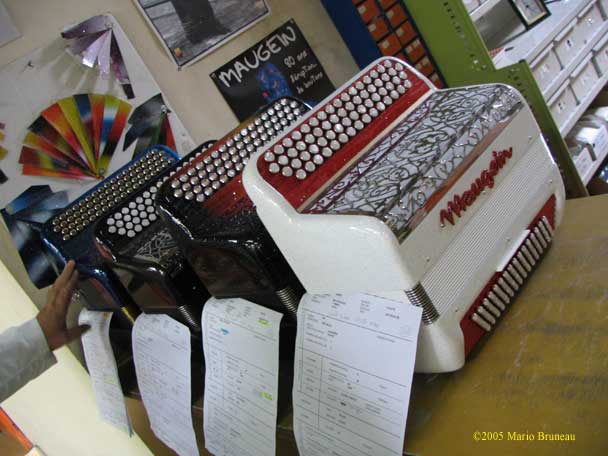
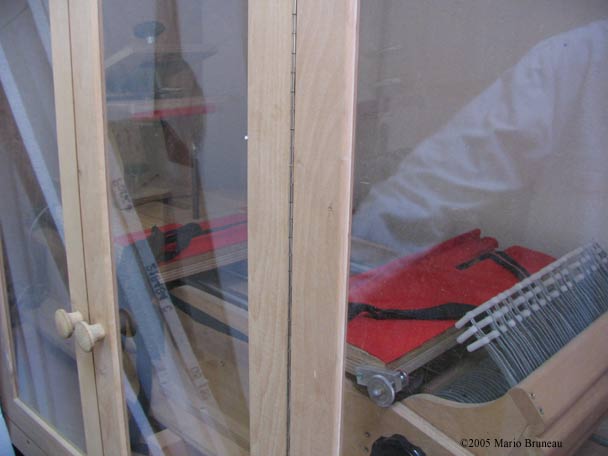
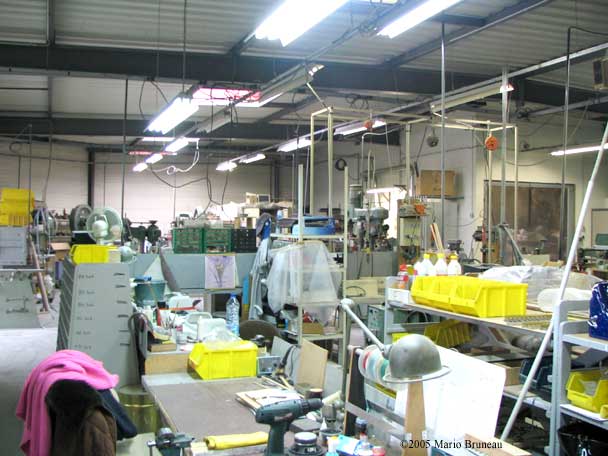
"Il y a 29 fabriques ou compagnies aux environs de Castelfidardo/Ancona qui produisent des accordéons."
De ces 29 fabriques, seulement 2 sont capables de produire au complet un accordéon (de A à Z) :
CEMEX (Excelsior) et SEM (PierMaria, Gabanelli)
Seulement Excelsior possède encore un séchoir à bois.
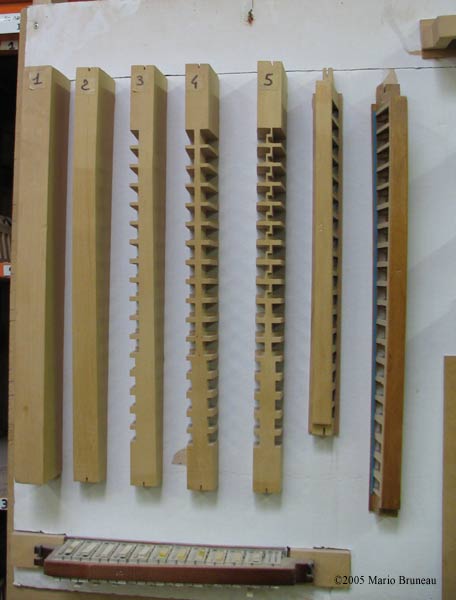
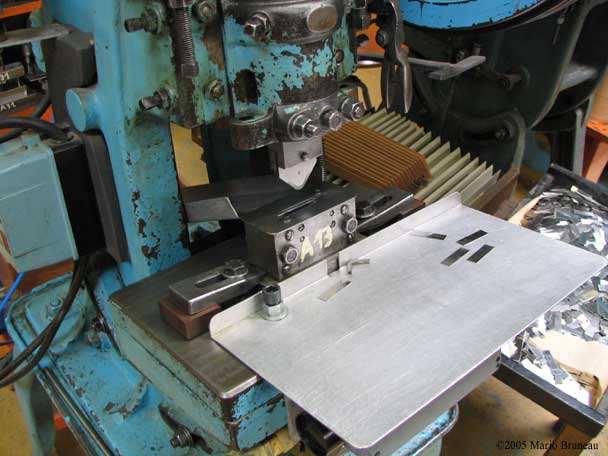
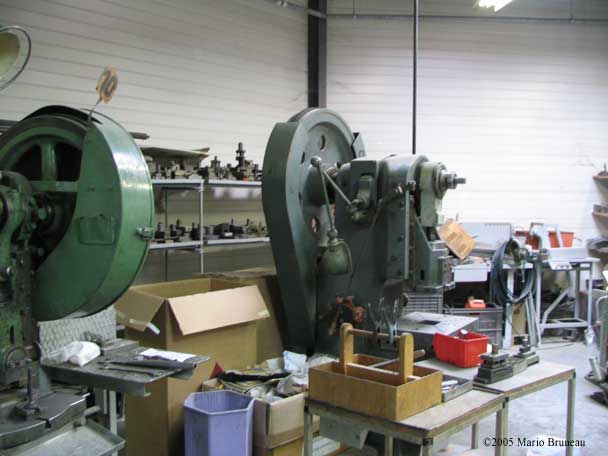
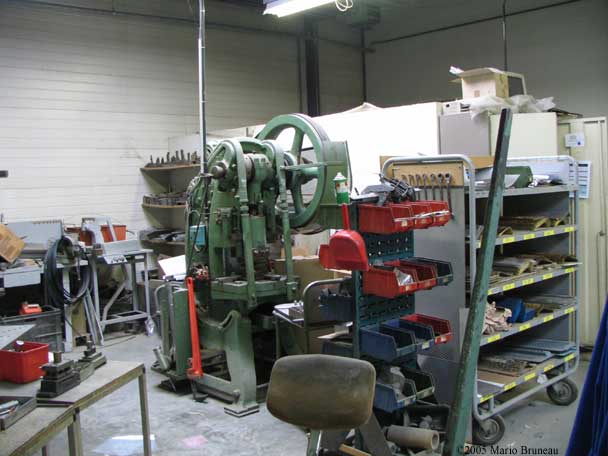
Toutes les autres fabriques sont plus ou moins dépendantes de compagnies extérieures pour produire certaines composantes critiques comme les boutons, ou les mécanismes de basses.
Certaines compagnies se sont tournées vers la production spécialisée de composantes comme activité principale."
Moi je crois que Castelfidardo s’est en quelque sorte métamorphosée et que les fabriques se sont concentrés sur la bonne chose, c’est-à-dire sélectionner les meilleurs dans chaque domaines pour leur donner l’exclusivité.
Pourquoi ne pas laisser au meilleur producteur de mécanisme de basses main gauche l’exclusivité à produire tout les mécanismes de basses main gauche italiens?
Ceci ne s’est certainement pas produit consciencieusement mais je crois que ce phénomène s’est lentement installé depuis 5 années. Bien sûr qu’on produit encore des instruments douteux ou tout simplement banals en Italie mais il est très facile de trouver aujourd’hui un accordéon supérieur à ceux produits il y a quelques années.
Avant je n’aurais jamais été impressionné par un accordéon italien, probablement parce que je recherchais un son musette à la française. Depuis longtemps, je me plains du son banal des accordéons Excelsior omniprésents au Québec. Bons pour le Jazz avec leur model Van Damme, les accordéons Excelsior ne m’ont jamais convaincu pour le musette.
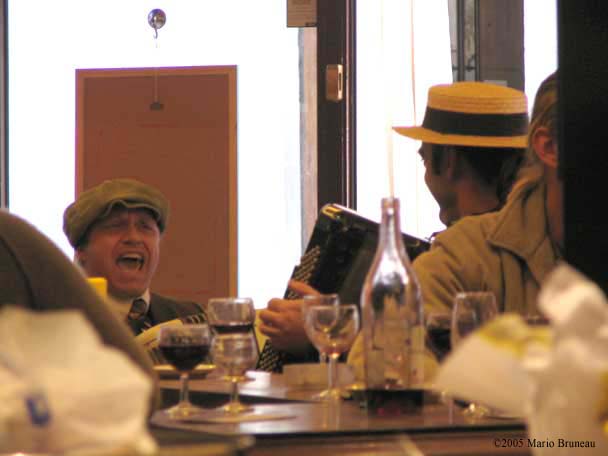
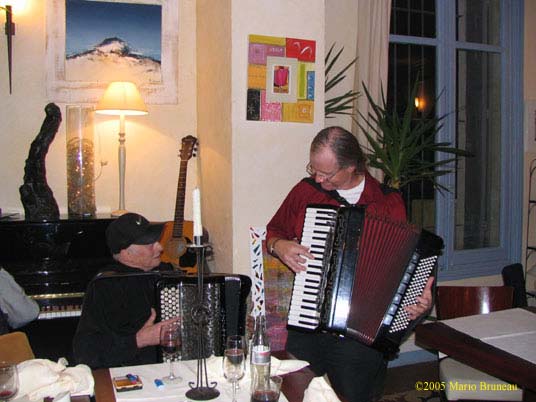
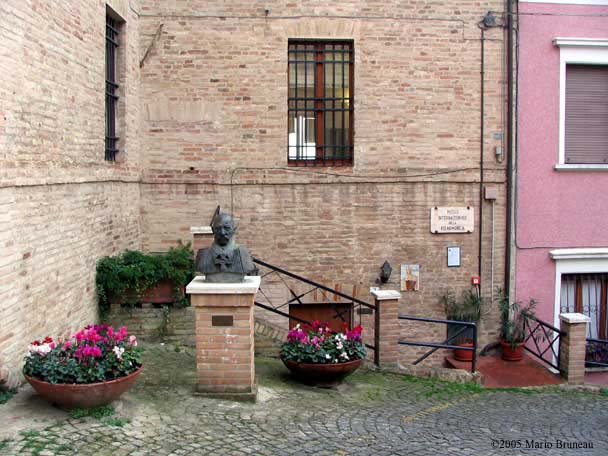
Tout ça est bien sûr mon « feeling » personnel mais j’ai vraiment senti que quelque chose se tramait lors de ce voyage à Castelfidardo.
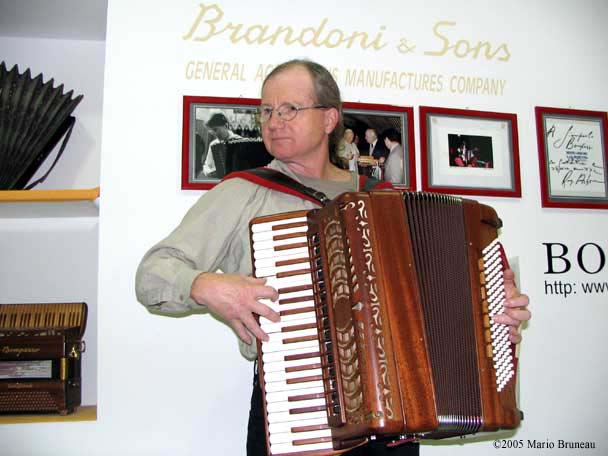
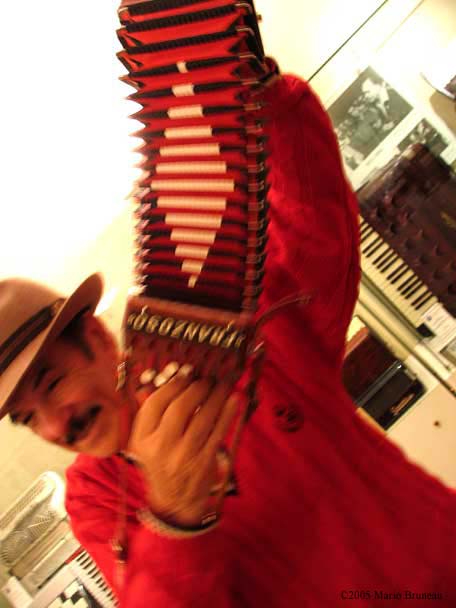
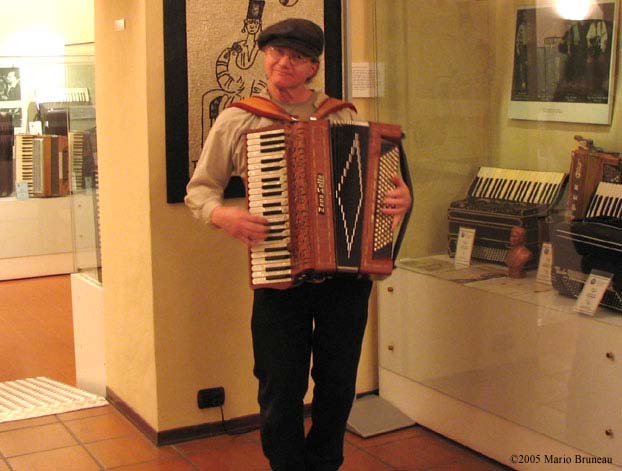
Les accordéons de Brandoni-Bompezzo sonnent très bien et le Zero-Sette essayé au Musée était merveilleux.
Voici un autre exemple :
Serge Duchesne des Accordéons Rosaire Larocque importe depuis peu des accordéons Vignoni fabriqués à Castelfidardo. Leur son musette est plus que convainquant!
Je vous le dis, il y a quelques années, on ne pouvait trouver des accordéons italiens sonnant aussi bien que ceux fabriqués aujourd’hui.
Merci Castelfidardo!








bonjour une information qui a pris la relève de vente de pièces de M.Frank Romano ex :
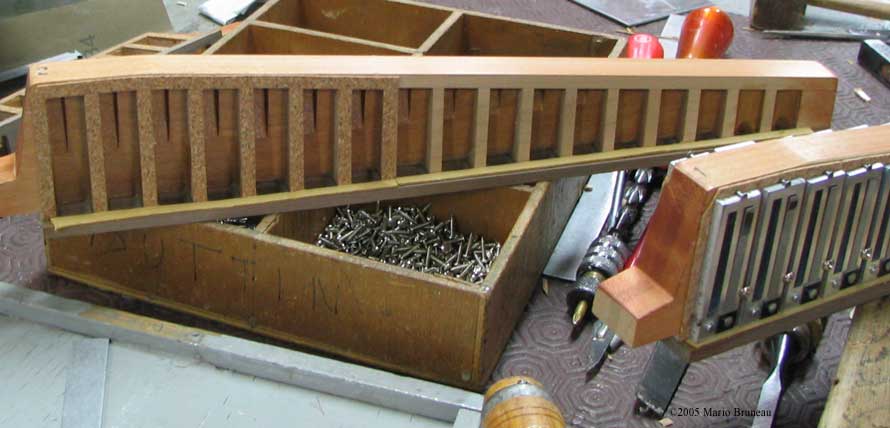
les coins de soufflets petites vis, et poignets main gauche …..
merci bonne journée
Bonjour « les accordéons Sagné »
Frank Romano était l’interface entre les fournisseurs de pièces pour accordéons d’Italie et l’Amérique du Nord.
Suite à son décès, je ne connais personne qui a pris la relève. Il faut savoir lire/écrire en italien pour ce faire…
Vous pouvez peut-être contacter mon ami Georges Pellegrini de France? Je pense qu’il pourra vous aider.
Ou peut-être ici au Québec, Albini Gallant? Il est très débrouillard.
À propos, avez-vous reçu mon GUIDE DE L’ACCORDÉON ? Je vous l’avais envoyé gracieusement comme je l’ai fait pour tous les fabricants – accordeurs et réparateurs d’accordéon au Québec. Si vous l’avez reçu, merci de me donner vos impressions sur ce Guide de l’Accordéon.
bonjour.
je me met a mon compte courant janvier dans le 78 je fais de la customisation d’accordéon diatonique anciens
je recherche un fournisseur grossiste pour acheter mes pièces car en France la plupart d s revendeurs sont des v…..s
auriez vous de bonnes adresses à me conseiller svp? PS je me suis régalée de votre reportage merci
bien à vous
Benjamin
Bonjour,
Bonne chance pour votre business dans le 78.
Moi j’ai eu satisfaction de Bernard Loffet qui a une boutique eBay avec beaucoup de produits de disponible https://www.ebay.ca/str/accordeondiatoniquebernardloffet
Voici aussi son siteweb : https://www.atelierloffet.com/
Autrement, il n’y a que l’Italie à Castelfidardo mais il faut comprendre l’Italien. Avant, il y avait ici M. Frank Romano qui importait des pièces d’accordéon de Castelfidardo et ce Monsieur parlait français et anglais. Malheureusement, il est décédé il y a 3 ans. Frank Romano était un bon ami à moi.
Un autre personnage sympatique est Georges Pelligrini. Il est très généreux et surtout très compétent dans la restauration des accordéons. Il pourra peut-être vous dépanner à l’occasion. https://www.mon-accordeon.com/
Voilà ce que je peux vous donner comme pistes.
N’oubliez pas que mon GUIDE DE L’ACCORDÉON peut vous donner un départ solide dans votre apprentissage de l’accordage et réparation des accordéons. Ce GUIDE DE L’ACCORDÉON que j’ai créé vous donnera une solide connaissance générale de l’accordéon. En plus, il ne coûte que 137€ contrairement à une formation complète à l’ITEMM.
https://guideaccordeon.com/
cordialement
bonsoir Monsieur, Madame
En qualité de pratiquant de l’accordéon chromatique, je viens vers vous afin trouver le MANUEL ou fonctionnement midi sur le honner 120 master compact.
Voulez-vous bien me guider afin de retrouver ce guide qui m’est particulièrement nécessaire .
je réside en Guadeloupe et il m’est difficile de le trouver
je vous remercie de votre amabilité
P. DARIDAN
Bonjour M. Daridan,
Je n’arrive pas à trouver ce manuel du propriétaire pour l’accordéon Hohner 120 master compact.
Peut-être que M. Georges Pellegrini peux vous aider?
Allez sur son site : https://mon-accordeon.com/contact
Bonne chance
Je recherche un accordeon 96 bases musette de marque vignoni ravel 2 ou Pierre maria merci
Bonjour Jean-Pierre,
Je vous ferai signe si je trouve.
C’est bien de l’afficher ici car un visiteur peut répondre à votre demande.
Bonne chance
Mille félicitations!
Très beau site web et super bien documenté pour tout accordéoniste qui désire en apprendre davantage sur le très bel instrument qu’est l’accordéon.
On y perçois des heures incalculables de recherche et de travaux de montage.
Encore BRAVO!
Bonjour Jean-Rock,
Merci pour vos bons mots.
Sachez que j’ai un site complètement dédié à la diffusion de la connaissance de l’accordéon. Suivez ce lien pour le visiter :
Le Guide de l’Accordéon
cordialement
BONJOUR. EXISTE – T-IL UN ACCORDINA à BOUTONS de MARQUE ETRANGERE (ITALIE-ALLEMAGNE-OU AILLEURS.) MERCI de POUVOIR me DONNER LES INFOS SUR LES QUALITES de CHAQUE ACCORDINA (fabricants francais inclus.)
Thadée.
Bonjour Frankiewicz,
Les accordinas qu’on retrouve aux USA se nomment « mélodica » et il n’y a pas de version bouton à ma connaissance.
C’est tout ce dont je peux vous dire à ce sujet.
toutes ses questions et réponses sont très intéressantes bravo à vous tous merci de tout ses conseils moi je joue sur la perle de l’accordéon pro 8 cavagnolo réglé par le grand Eric Duchéne
Bonsoir Mario,
encore une petite question,
j’ai lu dans votre article que la marque Scandalli n’est plus ce qu’elle était car elle avait été rachetée,
mais que pensez-vous d’un accordéon super Scandalli de 1956 en très bon état apparent ?
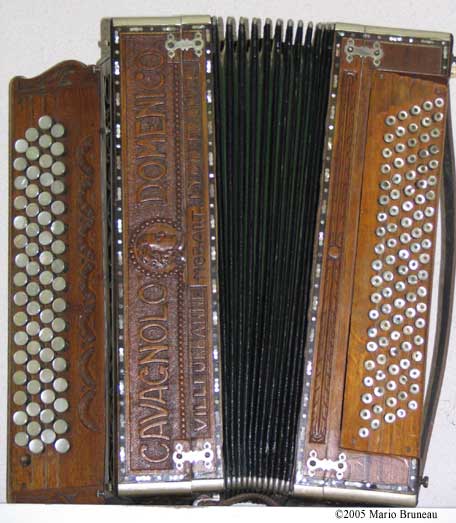
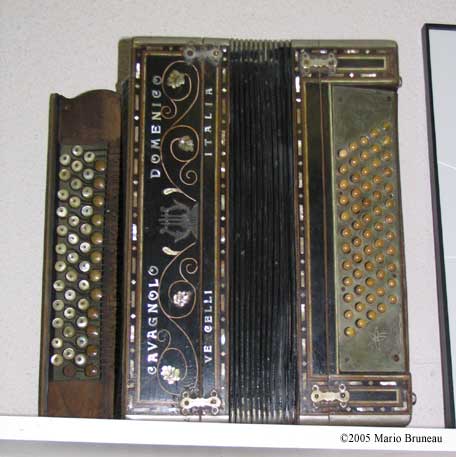
C’est peut-être déja trop vieux, comme vous disiez que vous déconseilliez de prendre des Cavagnolo
d’avant 1970 (à 4 chiffres de numéro de série) ?
Merci
Bonjour Gilles,
Ce vieux Scandalli de 1956 devrait être super. Un vrai Scandalli d’origine. Pas trop vieux non plus.
Le numéro de série à 4 chiffre ne s’adresse qu’à Cavagnolo mais même là, vous pouvez trouver des bijoux dans les vieux Cavagnolo. Je donne des règles pour être 100% sûr que vous faites une bonne affaire.
Bonjour Mario, c’est Noel et comme prévu mes enfants m’ont offert une clé USB avec ton guide multimédia complet. C’est ce que je voulais ! super merci le père Noel !
Je viens de mettre ça sur mon ordi et je sens que maintenant en plus de passer du temps a l’accordéon, je vais en passer sur mon ordi a lire la théorie ! Ça m’a l’air très bien fait et ça se lis avec plaisir, bravo.
Bonnes fetes et bonne année a tous !
Bravo Christian,
Tu vas être occupé pour un bon bout de temps avec mon Guide de l’Accordéon !
Joyeux Noël à toi et tes enfants!
Bonne Fêtes de fin d’année à tous.